
Former oil refineries in the UK and the US are being rediscovered as unexpected wildlife havens and prompting growing campaigns to protect them from redevelopment.
In West Coyote Hills near Fullerton, California, land that once operated as an oil field by Chevron has naturally regenerated since the 1990s. More than 500 acres now support coastal sage scrub, vernal pools and species such as the threatened California gnatcatcher. Despite its ecological value, the site remains under pressure, with parts still earmarked for development. Local opposition has slowed those plans, including a 2012 referendum that rejected further construction, but funding is still needed to secure the remaining land for conservation.
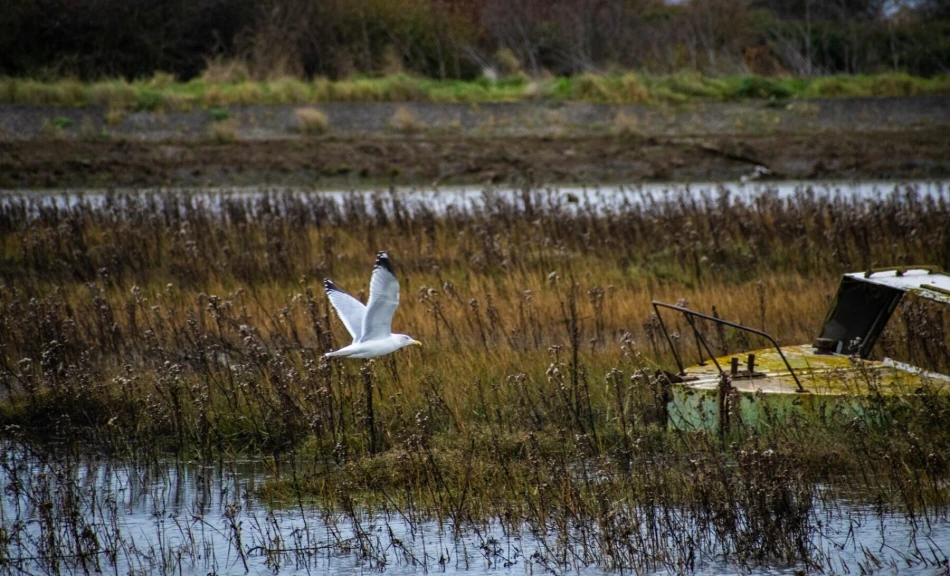
Across the Atlantic, Canvey Wick on the Thames estuary in Essex offers a contrasting success story. A planned oil refinery abandoned in the 1970s allowed nature to reclaim the site, which was designated a site of special scientific interest in 2005. Managed by conservation groups, the former industrial land now hosts more than 3,200 species, including rare insects such as the shrill carder bee, while nightingale numbers in the area are rising.
Conservationists say these sites show how an abandoned industrial land can be transformed into valuable habitats, if communities and authorities act in time.