
China has established its first absolute target to decrease greenhouse gas emissions which represents a major transformation in its climate change management approach. In a video address to the United Nations in New York, President Xi Jinping said China aims to cut economy-wide emissions by 7–10% by 2035 compared with peak levels, while “striving to do better.”
China leads the world as the biggest polluter because it generates more than 25% of global greenhouse gas emissions. The pledge emerged at a time when countries needed to demonstrate their Paris Agreement climate plans because they had to present their plans before the scheduled deadline. The established plans function to maintain global warming levels at or below 1.5°C.
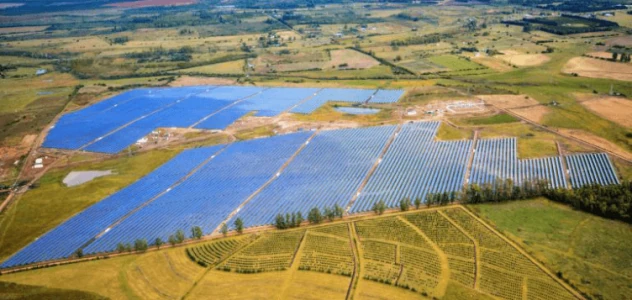
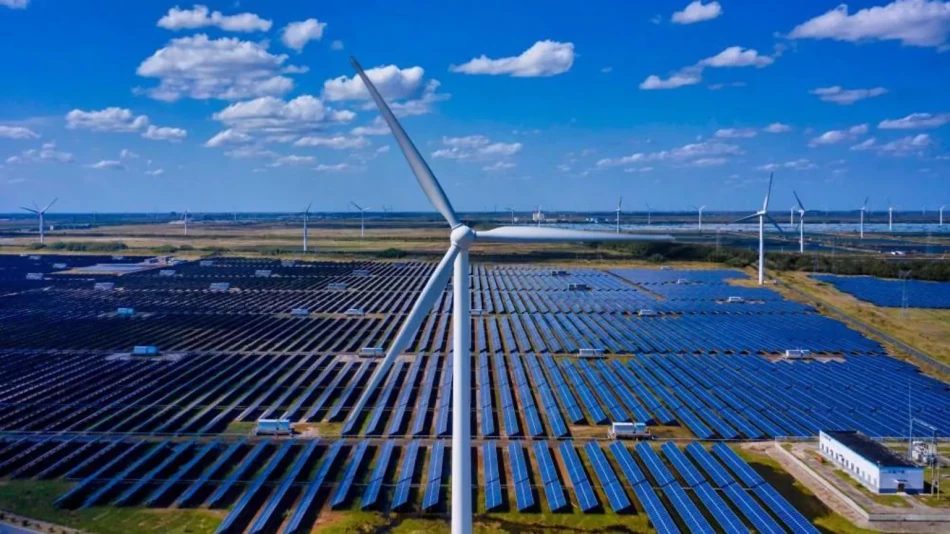
President Xi reiterated China’s long-term goals of peaking emissions this decade and reaching carbon neutrality by 2060. The new target represents the initial plan which defines specific emission reduction levels and applies to all greenhouse gases instead of focusing on carbon dioxide alone. China announced plans to build up its wind and solar power infrastructure while creating more forest carbon storage areas and establishing electric vehicles as the standard choice for new vehicle purchases.
However, climate experts say the target falls short of what is needed to stay within the 1.5°C limit. Many analyses suggest China would need to cut emissions by at least 30%—and possibly more than 50%—by 2035 to align with that goal. The proposed 10% reduction would create a major funding shortage because it affects all programs.
Some analysts point out that China has consistently delivered better results than its climate pledge commitments especially when it comes to renewable energy development. China continues to use coal as its primary energy source but new information indicates that pollution emissions are showing signs of reduction.
The new commitment marks the beginning of a slow transition from years of increasing emissions which have occurred since the last century started.