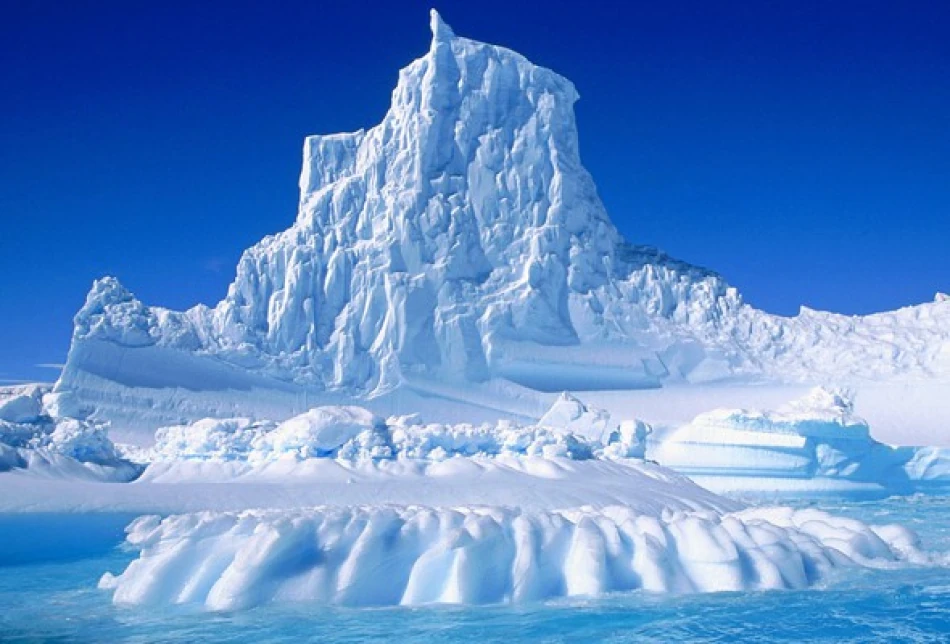

The Antarctic ice sheet experienced ice mass accumulation between 2021 and 2023 which represented a sudden and unexpected change from its previous pattern of ice sheet deterioration.
Antarctica has caught scientists off guard. For the first time in many years, its massive ice sheet is no longer shrinking — it is growing. The Science China Earth Sciences journal published research which shows Antarctic ice mass expanded substantially throughout 2021–2023 despite previous decades of continuous ice melting.
Satellite data from NASA’s GRACE and GRACE-FO missions show that from 2011 to 2020, Antarctica was losing an average of about 142 gigatons of ice per year. The ice mass experienced a brief 108 gigaton per year growth during the past two years before it returned to its previous trend. The worldwide sea level rise rate decreased at a rate of 0.3 millimeters per year during this time span.
The most significant advances occurred in East Antarctica through the Wilkes Land and Queen Mary Land regions which include the Totten and Denman and Moscow University glaciers that were once seen as the most susceptible to climate change.
Scientists link the "ice rebound" to excessive snowfall but they warn against making positive predictions. These conditions exist only for a short time because they do not change the ongoing pattern of worldwide temperature increase.
The research data shows Antarctica serves as a climate indicator which proves that short-term environmental shifts in this region produce worldwide effects. The duration of this change remains unknown because time needs to pass before we can determine its sustainability.