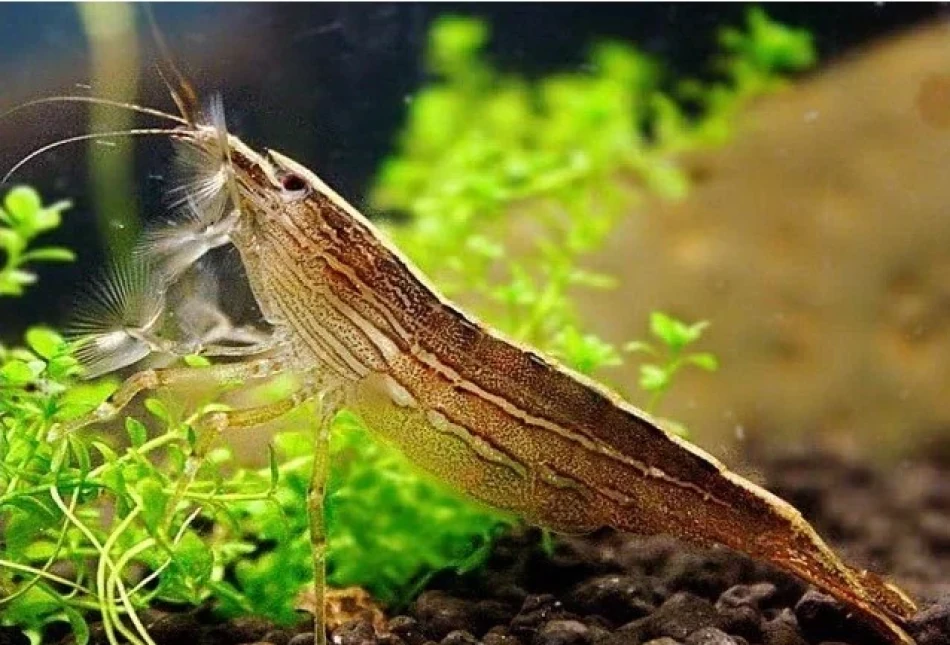

The Indian scientific community achieved a major breakthrough in freshwater biodiversity research through their rediscovery of the bamboo shrimp (Atyopsis spinipes) which had not been seen in India since the 1950s. Long believed to be absent from the country, the species was last officially recorded in India over 70 years ago. The species exists in a state of ongoing uncertainty about its survival status because aquatic biologists hold different opinions about its status.
Now, researchers from the Centre for Climate Change Studies at Sathyabama Institute of Science and Technology in Chennai have confirmed that the elusive shrimp still survives in Indian freshwater systems. The species discovery in Karnataka and Odisha river habitats showed that Indian freshwater aquatic environments contain many different species which also face a high risk of extinction.
A Discovery Decades in the Making
The research team included Dr. S. Prakash who led the study on shrimp biology together with PhD student K. Kunjulakshmi and researcher Maclean Antony Santos who operated from Mangaluru. The scientists used their field surveys and ecological assessments and specimen analysis to confirm that the shrimp belonged to the species Atyopsis spinipes.
The researchers demonstrated that scientific studies and wildlife monitoring activities fail to detect large distinctive species which remain unrecorded for extended periods of time. The current decline of freshwater biodiversity because of pollution and dam construction and climate change and habitat destruction requires scientists to conduct extended ecological research.
Why Bamboo Shrimp Matter
Bamboo shrimp are unique among freshwater crustaceans due to their highly specialised feeding behavior. The species exists as filter feeders instead of performing hunting or scavenging activities. The fan-shaped appendages of these organisms function to extract tiny food particles which exist in the quick-moving water currents. The feeding method of these animals requires them to rely heavily on streams and rivers which must maintain both clean water and sufficient oxygen levels.
The particular habitat needs of bamboo shrimp make them useful as indicators which help scientists evaluate the condition of freshwater ecosystems. The existence of these microorganisms shows that water continues to flow continuously while keeping its water quality at an exceptional level which has become increasingly difficult to discover throughout different regions of the world.
A Reminder of What Remains Unseen
The discovery of Atyopsis spinipes demonstrates that India maintains unexplored freshwater species which exist alongside deteriorating environmental conditions. Scientists believe that numerous species remain undocumented because scientists have not completed their exploration of river systems and remote natural environments.
Scientists should use the research findings to back freshwater biodiversity assessment programs and protection initiatives. The protection of these ecosystems according to them serves two purposes because it safeguards the bamboo shrimp and millions of people who need rivers to survive through water and food and economic activities.
Scientists who study Indian inland water bodies make new findings which show that nature can endure but needs protection to survive.