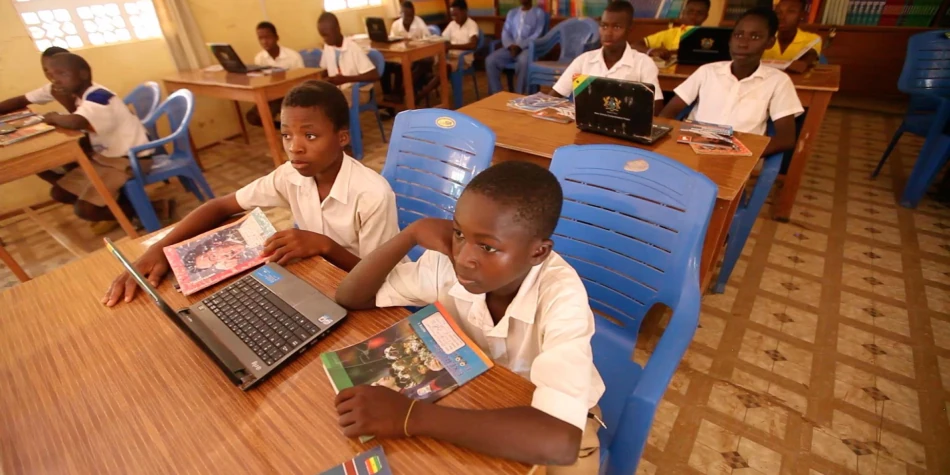

The Ghanaian government achieved education accessibility through its free education program which proves that education should function as a public benefit instead of being reserved for privileged groups. The nation has eliminated financial obstacles which used to block educational progress for thousands of students between children and young adults since the beginning of this period.
Free senior high school education stands as one of the most influential educational initiatives that have been implemented. The policy eliminates student tuition fees while the government provides financial support for essential expenses which include textbooks and meals and boarding fees and teaching resources. The program draws in more students because it offers secondary education which used to be out of reach for students who come from low-income families.
The program served two main purposes which included both access expansion and equality promotion. By making education free at the senior high school level, Ghana has helped reduce disparities between urban and rural areas and between wealthier and poorer households. The school enrollment period for girls has become longer because more students now stay in education until their completion. The educational path of students who used to start working at an early age now extends until they finish their studies.
The government of Ghana has established programs which focus on teacher recruitment and school infrastructure development and curriculum enhancement to protect educational standards during the increase in student numbers. The educational system has received new classroom construction and school expansion and teacher education program development to accommodate the increasing student enrollment.
Free education provides educational advantages which produce effects which extend past what students learn during their classroom time. The nation experiences economic expansion because of its educated population which also leads to improved health results and enhanced social participation in the community. Young people receive education which teaches them valuable skills that help them secure jobs and start businesses and create new products which strengthen Ghana's economic development through better market performance.
The policy implementation faces three major obstacles because of elevated student-to-teacher ratios and maintaining financial support and protecting educational quality standards. The policy has received broad support because it marks a major breakthrough in education. The free education system provides educational access to numerous families who would have remained without access to education before this program started.
The government of Ghana supports free education because it creates lasting social and economic advantages through its human capital investment programs. The nation establishes a base for future equitable development through its educational focus which will benefit all citizens in the years ahead.