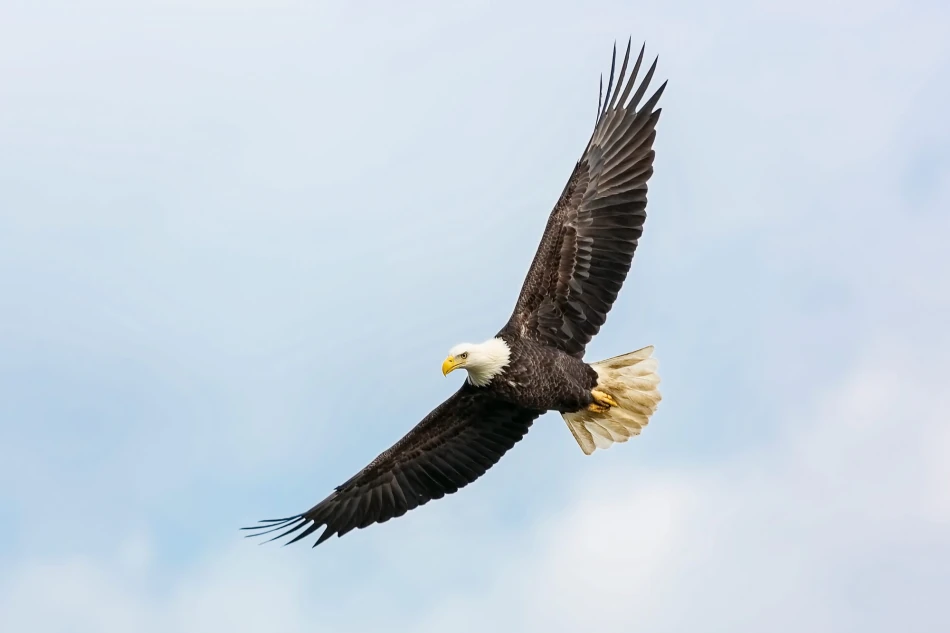

Multiple iconic species have proven that dedicated conservation efforts allow species populations to recover from near-extinction into thriving numbers. The species bald eagles swift foxes and Scottish wildcats have achieved impressive population growth because of habitat preservation efforts and species reintroduction programs and controlled breeding initiatives.
Bald Eagles: America's Soaring Symbol
The bald eagle population reached extinction levels because of DDT pollution and habitat destruction but the species achieved a successful recovery. The U.S. population in the lower 48 states has reached 316,700 people who include more than 71,400 breeding pairs which have increased to four times their 2009 numbers. The population growth stems from three main factors which include the 1972 DDT ban and Endangered Species Act protections and habitat restoration efforts. The breeding pair numbers in Maryland exceeded 1,400 which proves the program achieved its goals.
Swift Foxes: Prairie Speedsters Returning
The swift fox population which originally inhabited North American grasslands experienced a major population decrease because of habitat destruction and toxic substance exposure. The reintroduction programs have shown promising results because Montana's Fort Belknap Reservation successfully relocated 139 foxes by 2025 which achieved breeding success and population linkage between different areas. The restoration of prairies enables fox populations to establish themselves through tribal-led initiatives and through collaborations with the Smithsonian and WWF and through monitoring programs which show the species can link its northern and southern habitats for genetic conservation.
Scottish Wildcats: Highland Tigers on the Rebound
Critically endangered and functionally extinct in the wild recently, Scottish wildcats are benefiting from the Saving Wildcats project. The Cairngorms area has seen more than 35 captive-bred cats escape into the wild since 2023 while the wild population has produced at least 24 kittens. The Scottish Highlands now show promise for establishing independent wildlife populations because of their high animal survival rates and their regular health assessments and their additional conservation assistance.
The stories demonstrate that specific conservation efforts which include substance bans and species reintroduction and community-based initiatives will help ecosystems achieve equilibrium while protecting threatened wildlife populations.